
Academic Writing Abstract: How to Write a Clear, Powerful, and Publishable Abstract
An academic writing abstract is one of the most important parts of a research paper, dissertation, thesis, journal article, or conference paper. It acts as a concise summary of your work and helps readers decide whether your research is relevant to their interests. A strong abstract improves readability, increases visibility in academic databases, and creates a professional first impression.
Most academic abstracts summarize the purpose, methods, results, and conclusions of a study in approximately 100–300 words. (Australian National University)
Whether you are a student, researcher, or academic writer, understanding how to write an effective abstract can significantly improve the quality of your paper.
What Is an Academic Writing Abstract?
An academic abstract is a brief summary placed at the beginning of a research paper or scholarly document. It provides readers with a quick overview of the research topic, objectives, methodology, findings, and conclusions.
The purpose of an abstract is to help readers understand:
- What the research is about
- Why the topic matters
- How the study was conducted
- What the main findings are
- Why the findings are significant
Abstracts are commonly used in:
- Research papers
- Journal articles
- Theses and dissertations
- Conference papers
- Case studies
- Scientific reports
A good abstract should be self-contained, concise, and easy to understand without reading the entire paper. (Scribbr)
Why Is an Abstract Important in Academic Writing?
The abstract is often the first section readers examine before deciding whether to continue reading the full paper.
Key Reasons Abstracts Matter
Improves Research Visibility
Academic databases index abstracts to help researchers find relevant studies.
Saves Readers Time
Readers can quickly evaluate whether the paper matches their research interests.
Creates a Strong First Impression
A poorly written abstract may discourage readers, reviewers, or journal editors.
Supports Academic Publishing
Many journals and conferences use the abstract during the initial review process.
Enhances SEO for Academic Content
Well-optimized abstracts containing relevant keywords improve discoverability online.
What Should an Academic Abstract Include?
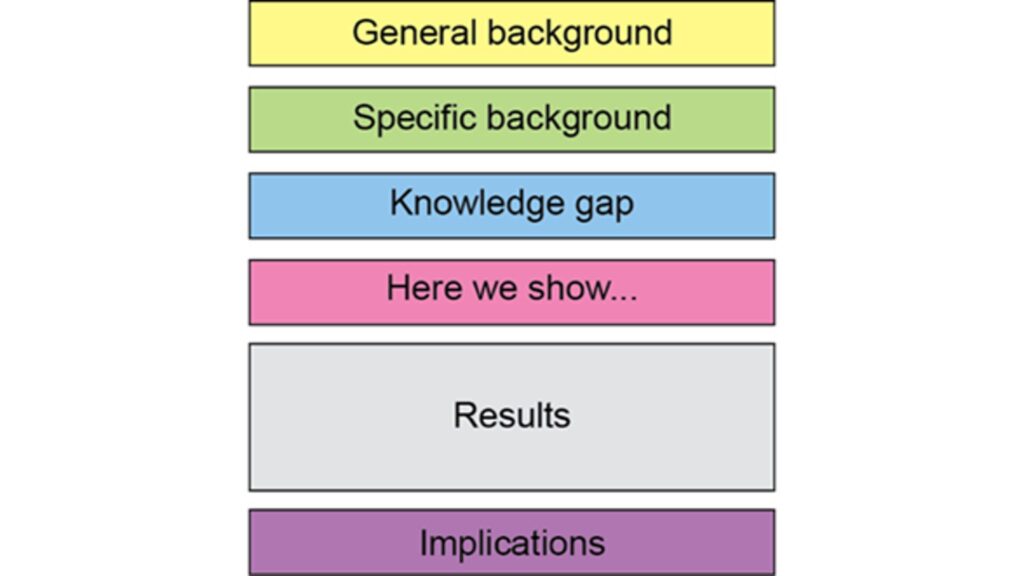
Most high-quality abstracts follow a structured format that summarizes the major elements of the research.
Essential Components of an Abstract
1. Background or Introduction
Explain the research topic and provide context.
Questions to Answer
- What is the topic of the study?
- Why is this issue important?
- What research gap exists?
Example:
“Online learning has transformed higher education, yet student engagement remains a challenge.”
2. Research Objective
Clearly state the purpose of the study.
Questions to Answer
- What does the study investigate?
- What is the primary research goal?
- What problem does the paper solve?
Example:
“This study examines the impact of interactive learning tools on student engagement.”
3. Methodology
Summarize how the research was conducted.
Questions to Answer
- What research methods were used?
- Who participated in the study?
- What tools or techniques were applied?
Example:
“A mixed-method approach involving surveys and interviews was used.”
4. Results or Findings
Present the most important outcomes of the research.
Questions to Answer
- What did the research discover?
- What were the key findings?
- Were the hypotheses supported?
Example:
“The findings revealed that interactive tools significantly improved participation rates.”
5. Conclusion
Explain the significance of the findings.
Questions to Answer
- Why are the results important?
- What contributions does the study make?
- What recommendations can be drawn?
Example:
“The study suggests that digital engagement strategies can improve academic performance.”
Types of Academic Abstracts
Different academic disciplines may require different abstract formats.
Informative Abstract
An informative abstract includes:
- Research purpose
- Methods
- Results
- Conclusions
This is the most common type used in scientific and academic writing.
Descriptive Abstract
A descriptive abstract explains what the paper discusses without presenting detailed findings.
Common in:
- Humanities
- Literature reviews
- Essays
Structured Abstract
A structured abstract uses headings such as:
- Background
- Methods
- Results
- Conclusion
Frequently used in medical and scientific journals.
Critical Abstract
A critical abstract evaluates the research while summarizing it.
It may include:
- Analysis
- Interpretation
- Critique
How to Write an Effective Academic Abstract
Writing an abstract becomes easier when you follow a clear process.
Step 1: Finish the Research Paper First
Write the abstract after completing the full paper. This ensures accuracy and consistency.
Step 2: Identify the Main Points
Highlight the most important information from each section of the paper:
- Introduction
- Methods
- Results
- Discussion
Step 3: Keep It Concise
Most abstracts range between 150 and 250 words. (University of Bath Blogs)
Avoid unnecessary details.
Step 4: Use Clear Academic Language
Use formal language while keeping sentences readable and direct.
Avoid:
- Slang
- Informal tone
- Complex jargon
- Long explanations
Step 5: Include Relevant Keywords
Academic keywords improve searchability in databases and search engines.
Examples:
- Academic writing abstract
- Research abstract
- Dissertation abstract
- Journal article abstract
- Research paper summary
Step 6: Revise and Edit
Review the abstract carefully for:
- Grammar
- Clarity
- Word count
- Accuracy
- Flow
Academic Abstract Format Example
Sample Academic Writing Abstract
Topic: Online Education
This study explores the impact of virtual learning platforms on university student engagement. The research investigates how interactive digital tools influence participation and academic performance in online classrooms. A mixed-method approach was used, including surveys from 250 university students and interviews with faculty members. The findings revealed that interactive learning technologies increased student participation, improved communication, and enhanced overall learning satisfaction. However, technical limitations and inconsistent internet access remained significant challenges. The study concludes that effective implementation of digital learning strategies can improve educational outcomes in higher education environments.
Common Mistakes to Avoid When Writing an Abstract
Even experienced researchers make errors when preparing abstracts.
Including Too Much Background Information
The abstract should summarize the research, not provide a lengthy introduction.
Writing Vague Statements
Be specific about:
- Objectives
- Methods
- Findings
Adding Citations or References
Most abstracts should not contain citations. (Scribbr)
Using Complex Language
Clarity is more important than sounding overly technical.
Ignoring Word Limits
Always follow the required guidelines from journals or institutions.
Best Practices for Writing a Strong Research Abstract
Use Active Voice
Active voice improves readability and clarity.
Instead of:
“The study was conducted by researchers…”
Use:
“Researchers conducted the study…”
Focus on Key Findings
Readers want quick access to the main outcomes.
Match the Abstract to the Paper
Ensure all information in the abstract reflects the actual research.
Make Every Sentence Valuable
Each sentence should contribute meaningful information.

Academic Abstract vs Executive Summary
Many students confuse abstracts with executive summaries.
| Feature | Academic Abstract | Executive Summary |
|---|---|---|
| Purpose | Summarizes research | Summarizes reports/business documents |
| Length | 150–300 words | Longer and more detailed |
| Audience | Academic readers | Business or professional readers |
| Content | Research-focused | Recommendations and analysis |
How Long Should an Academic Abstract Be?
The ideal abstract length depends on the document type.
Typical Abstract Lengths
- Research papers: 150–250 words
- Journal articles: 150–300 words
- Dissertations: 250–500 words
- Conference abstracts: 100–250 words
Always check institutional or journal guidelines before submission.
SEO Tips for Academic Writing Abstracts
If your research will appear online, SEO optimization can increase visibility.
Use Relevant Keywords Naturally
Include target keywords such as:
- Academic writing abstract
- Research abstract format
- Thesis abstract example
- Journal abstract writing
- Dissertation abstract guide
Write a Clear Title
A descriptive title improves indexing and discoverability.
Avoid Keyword Stuffing
Use keywords naturally while maintaining readability.
Frequently Asked Questions About Academic Writing Abstracts
What is the purpose of an academic abstract?
The purpose of an abstract is to summarize the main elements of a research paper so readers can quickly understand the study.
How many words should an abstract contain?
Most abstracts are between 150 and 300 words, depending on academic guidelines.
Should an abstract include citations?
Generally, abstracts should avoid citations unless absolutely necessary. (Scribbr)
Can I write the abstract before the paper?
It is recommended to write the abstract after completing the paper.
What tense should be used in an abstract?
Academic abstracts commonly use:
- Present tense for conclusions
- Past tense for methods and findings
Final Thoughts
An academic writing abstract is more than just a summary. It is the gateway to your research and often determines whether readers continue exploring your work. A strong abstract clearly explains the research purpose, methods, findings, and significance in a concise and professional manner.
By following a structured format, using clear academic language, and focusing on key information, you can create an abstract that improves both readability and academic impact.
Whether you are preparing a thesis, dissertation, journal article, or conference paper, mastering abstract writing is an essential academic skill that enhances the quality and visibility of your research.
For additional academic writing resources, visit LiftStrong
academic writing assistant, formal academic writing, explicitness in academic writing